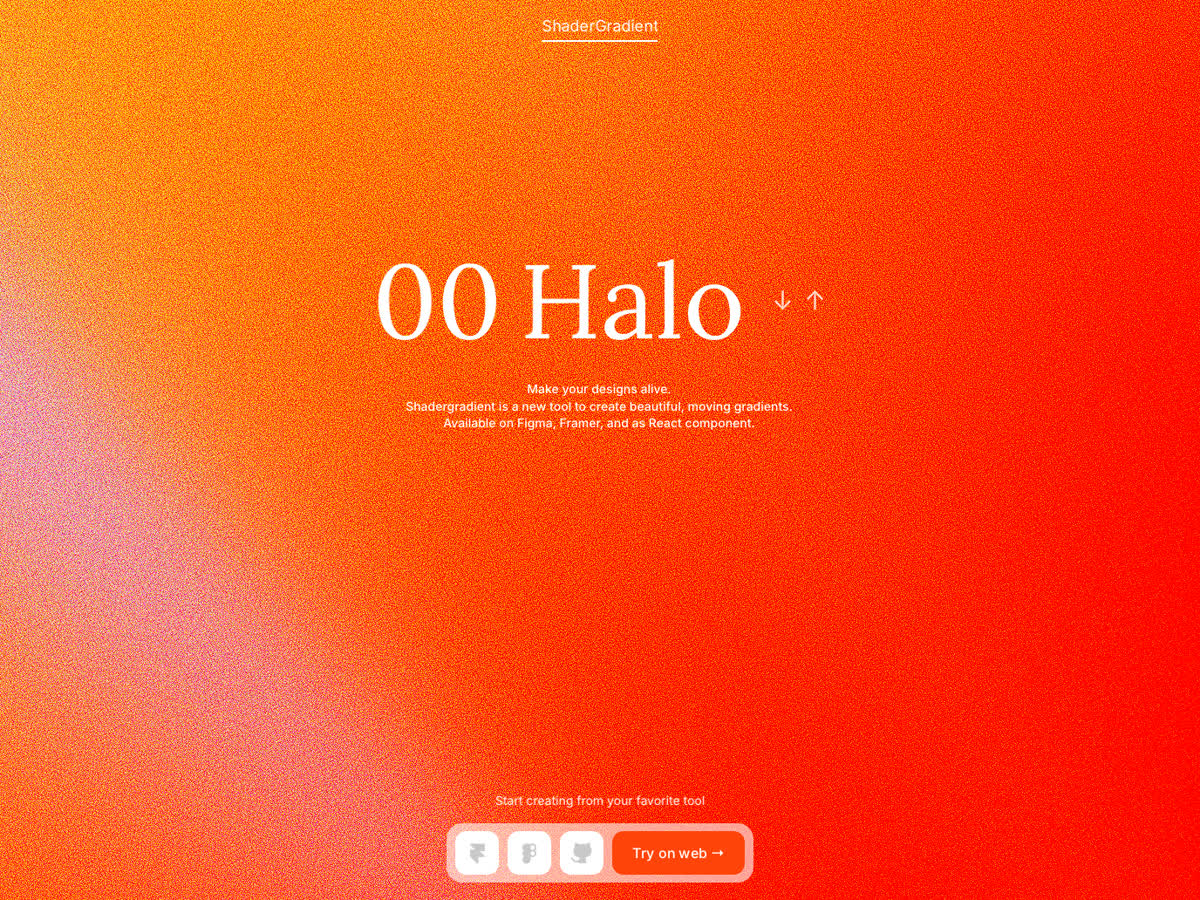
The fear of AI slop is the fear of your own average.
The web I started out in had visitor counters. Guestbooks. Buttons that said "Best viewed in 800 × 600". Fourteen font colors on starry skies, and if you really meant business, a Flash intro with a loading bar. All built by hand. With great love and zero mercy.
And before anyone gets nostalgic: a lot of it was junk. Proper junk. Some monuments are still standing:
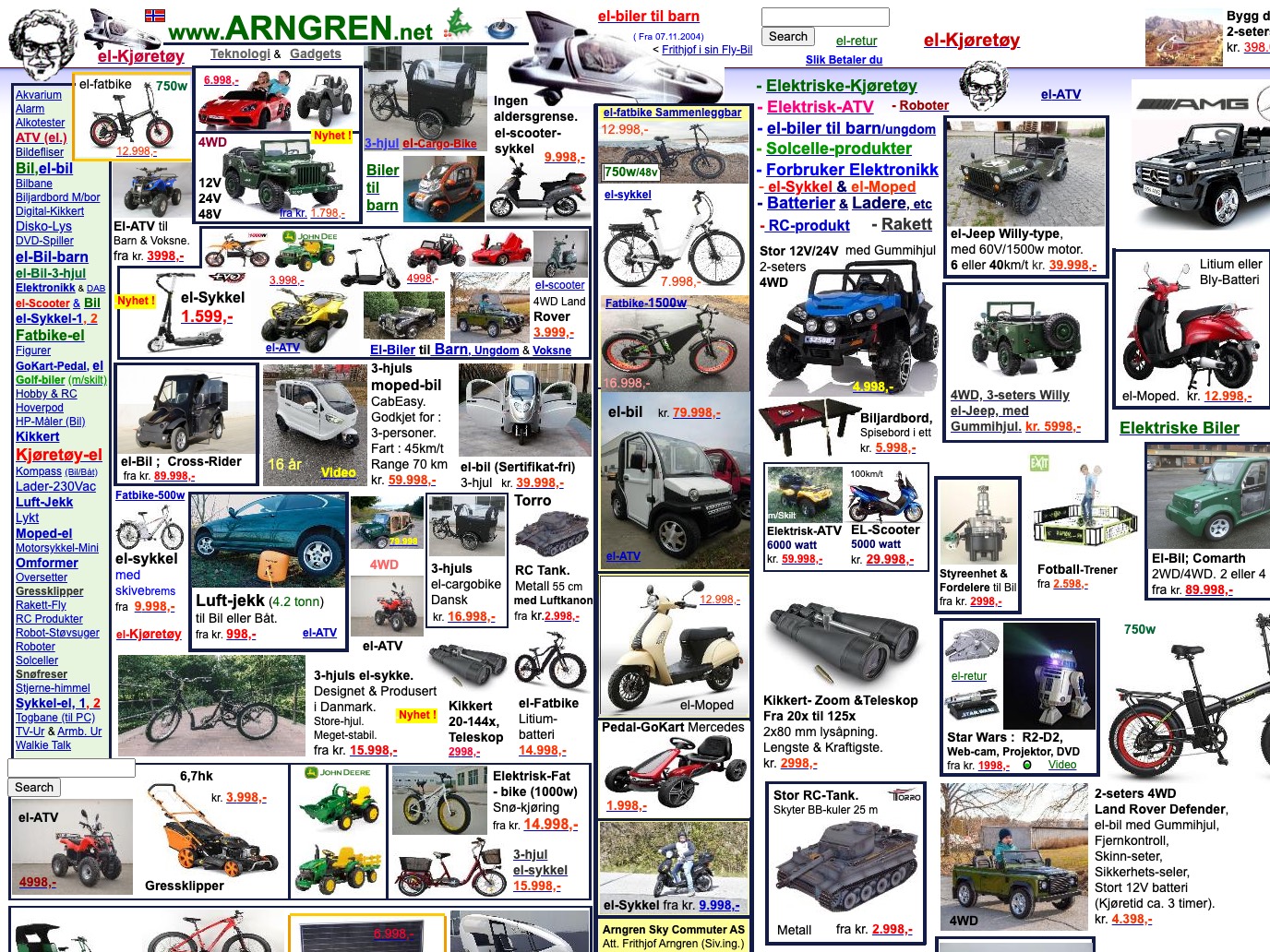
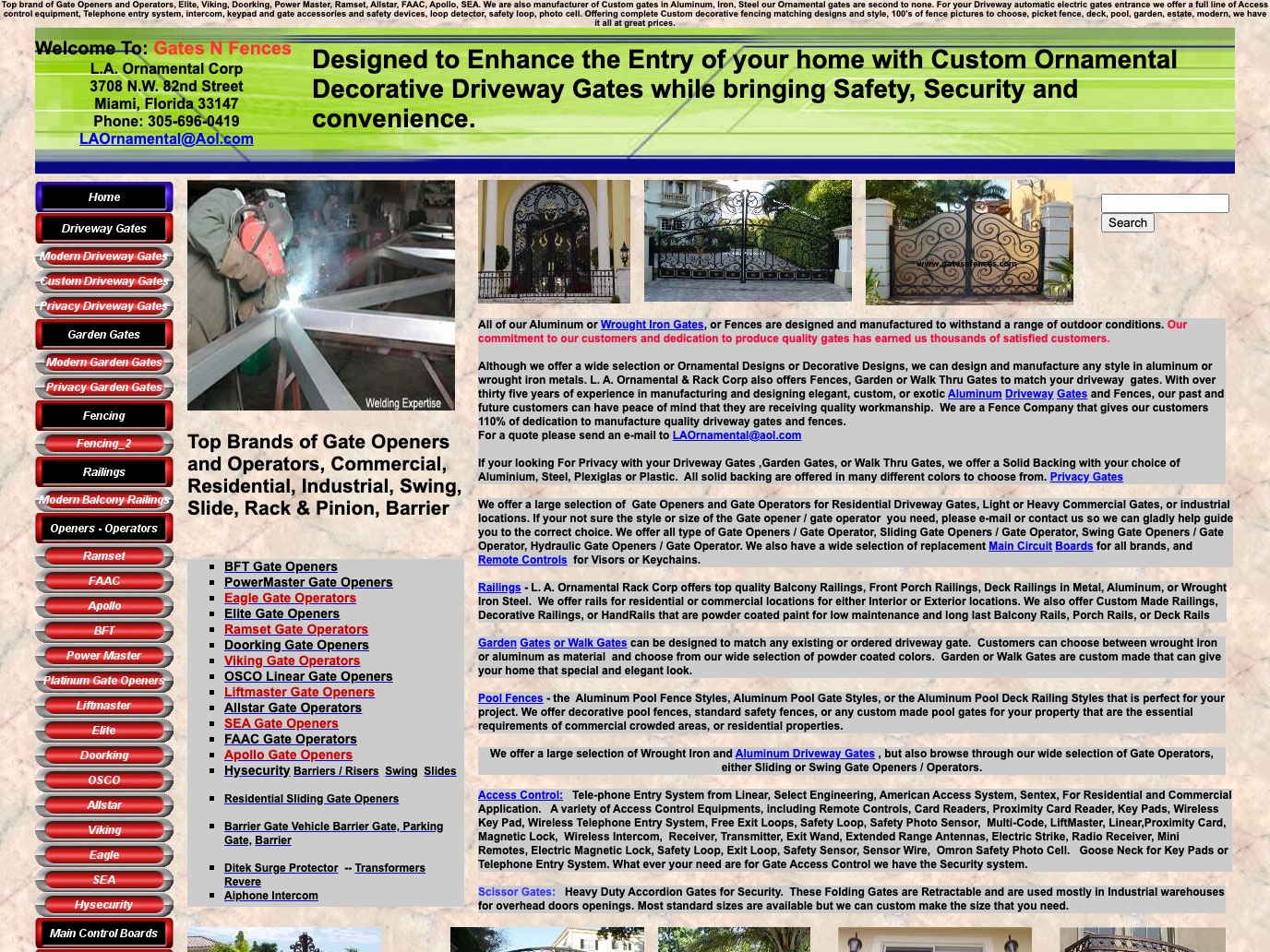
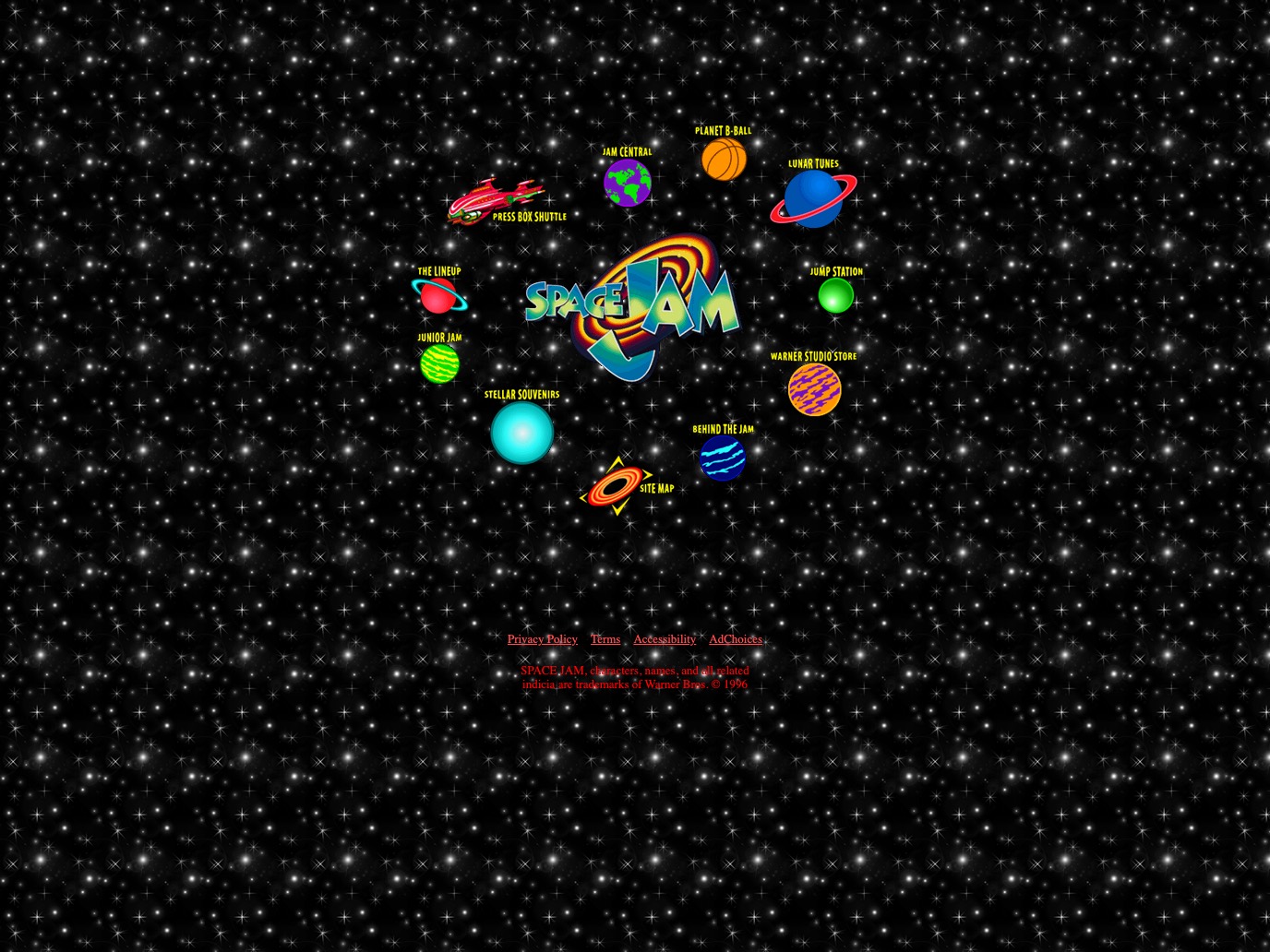
That was human slop. It just went by another name: the internet.
Thirty years later
Merriam-Webster crowns "slop" the word of the year 2025: low-quality content, mass-produced with AI. The term sticks. There's plenty of material, every feed delivers.
But many translate it wrong. The machine isn't sloppy. It works frighteningly cleanly: spacing correct, contrast correct, everything aligned. It still makes mistakes, especially in design. But the mistakes aren't the problem.
The problem is structural. A model delivers the most probable design, and the most probable design is the average of all the designs it learned from. Generate without direction and you don't get a bad page. You get the middle one: some headline with a gradient, some call to action, some image. Ten pages generated, the same page ten times with a different name:
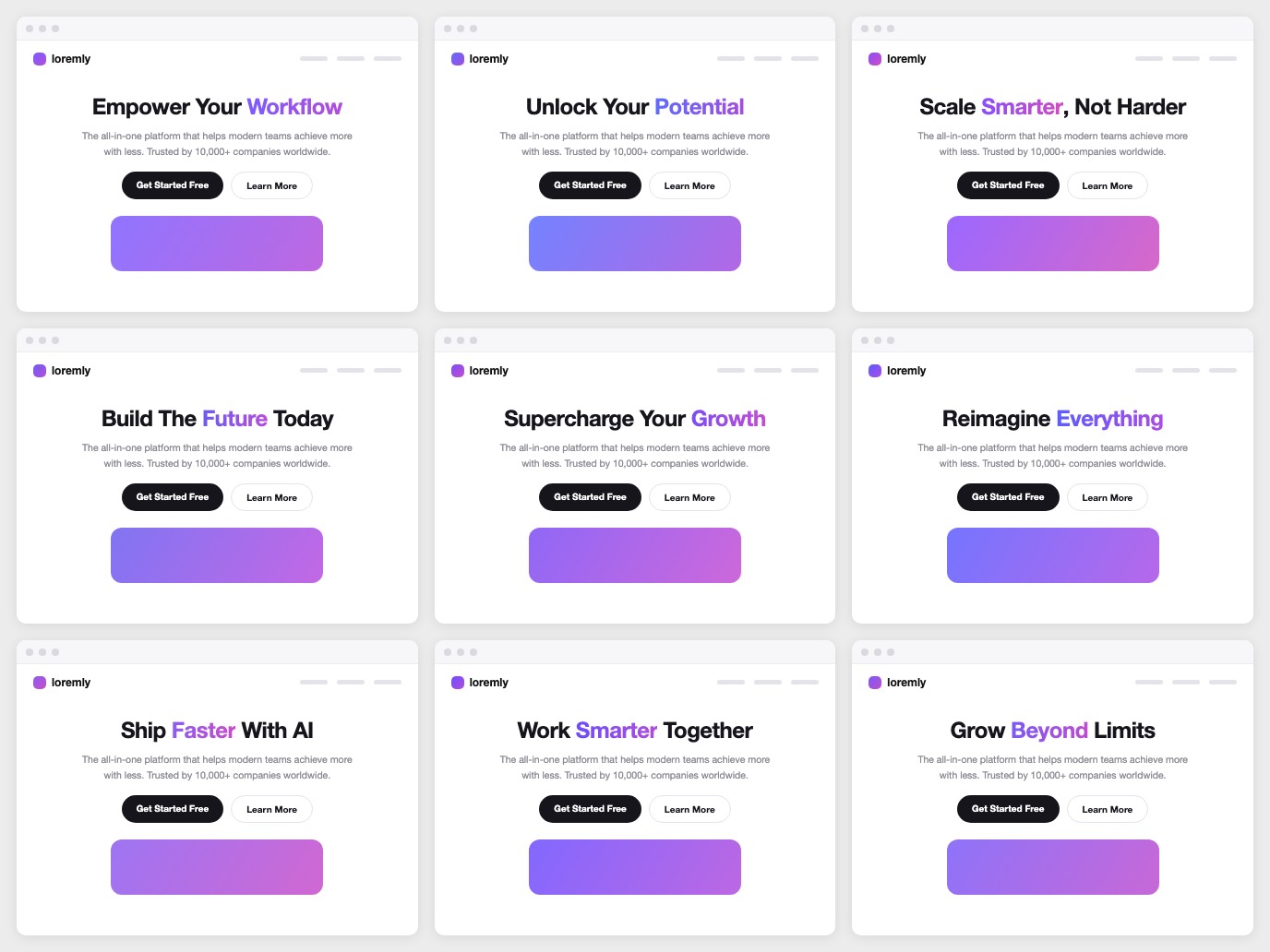
Slop doesn't mean sloppy. Slop means interchangeable. And interchangeable is not a tool defect — it's what happens when nobody sets a direction. Given precise direction, the same machine delivers precise design — what that looks like is in the workshop report next door.
The irony: the old junk was at least unmistakable. You recognize Arngren in a millisecond. The new average too — by the fact that you've seen it a thousand times.
Why the term flies so well
Research has an uncomfortable detail. Identical images, once with, once without an AI label: the label pushes the rating down. Same pixels, different label, worse verdict. We don't judge the work. We judge the sender.
Behind that sits something very human. Years spent learning a craft, and now a machine delivers the average by the second. That doesn't scratch the portfolio. It scratches the identity. The pushback is self-protection, not ignorance. And inside the loud "it's all slop!" sometimes sits the quiet question of where you yourself stand.
Nobody needs to be talked out of that. It just shouldn't be mistaken for a verdict on the work.
It's not about perfect
Because beautiful or ugly is rarely the point. The point is intention.
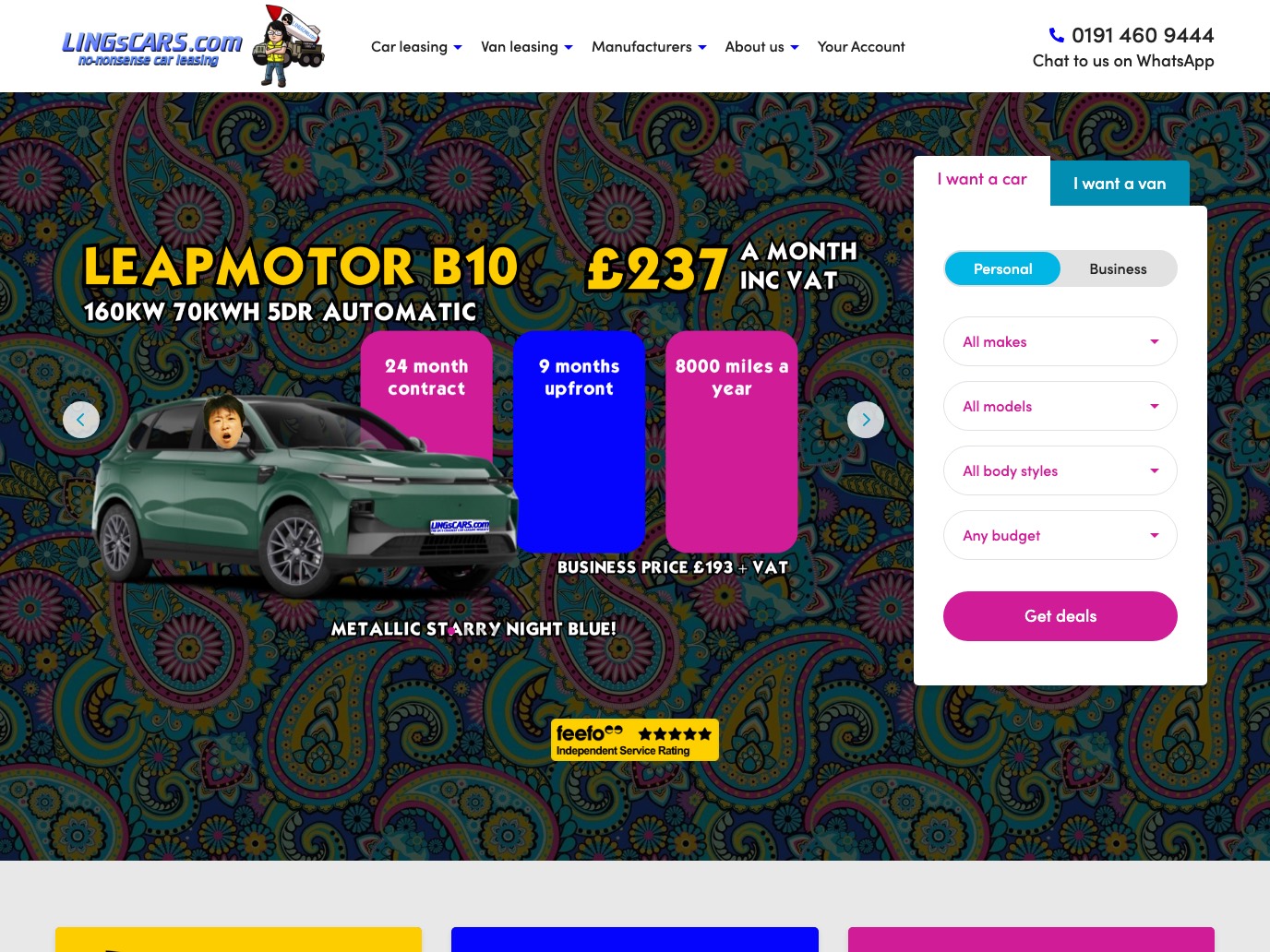
Lings Cars is loud, garish, completely over the top. Exactly as intended, in business for decades. Berkshire Hathaway looks like a text document, with a trillion-dollar company behind it. Both the opposite of slop, without a single polished pixel.
And then there's a third category:
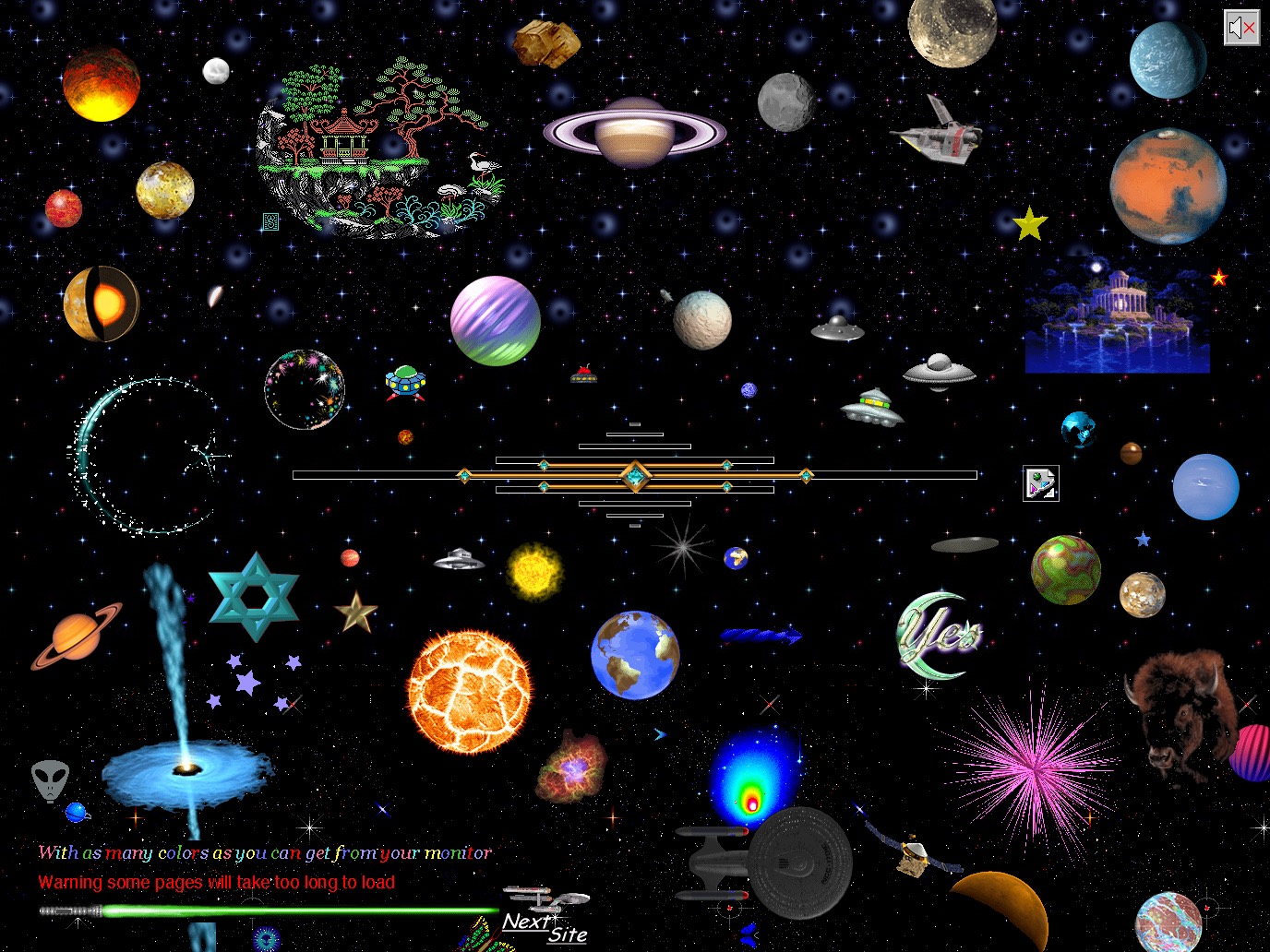
Cameron's World. Assembled from thousands of real GeoCities fragments, curated into one glowing cosmos. Hand it to an AI, it rebuilds it. Planets, UFOs, glitter — none of it a problem. But it emerged from a human brain. From taste, obsession and an idea nobody had before. The machine can rebuild anything. Someone had to invent it.
Imperfect is not the opposite of good. Interchangeable is the opposite of good.
What remains
When the average costs nothing, it's worth nothing. That's the real news, and it's better than its reputation. The value shifts to where it belongs: selection, intention, taste. For designers that's not a demotion. It's a promotion. Out of producing the average, into deciding what's good.
I work with these tools every day; this site is built that way too. The result turns generic at exactly the moment I stop deciding.
Slop has always existed. The question was never who stirs it. The question is who waves it through.